




Add to my Cart
The item has been added
Beginner Mandolins


Beginner Mandolins
-
-
Sold Out
McNeela
The McNeela Irish Mandolin (A-Style)
A stunning A-Style mandolin with a spruce body, pearlescent inlay, renowned for its bright, resonant tone.
-
Sold Out
-
On Sale!Add to my Cart The item has been added
-
Sold Out
-
Sold Out
-
Sold Out
-
On Sale!Add to my Cart The item has been added
-
Sold Out
-
Add to my Cart The item has been added
-
Add to my Cart The item has been added





Loading...

learn more
Beginner Mandolins: Start Your Musical Journey with McNeela Music
Are you ready to discover the bright, rhythmic world of the mandolin? At McNeela Music, we believe that everyone has a song to play. We specialize in providing the best beginner mandolin options for people who want more than just an instrument—they want a companion for their musical journey.
Whether you’re inspired by the high-lonesome sound of bluegrass or the ancient, dancing melodies of the Irish mandolin, we’ve hand-selected starter mandolins that feel as good as they sound.
Why the Mandolin is a Joy to Learn
For many of us, the mandolin is the ultimate "welcome" instrument. Its compact size means it’s never a burden to carry to a friend’s house or a local session. Because it is tuned in fifths—exactly like a fiddle—the fretboard follows a logical, geometric pattern that makes sense to the human brain almost instantly.
We know that the first few weeks of playing are the most important. That’s why every beginner mandolin that leaves our workshop undergoes a professional setup by our in-house team. We lower the action and check the intonation so that your fingers don't have to work too hard. We want you focusing on your beginner mandolin lessons, not struggling with an instrument that’s hard to play.
Our Hand-Picked Recommendations for You
Choosing your first instrument is a personal milestone. We’ve narrowed down the field to the mandolins for beginners that we would proudly give to our own family members:
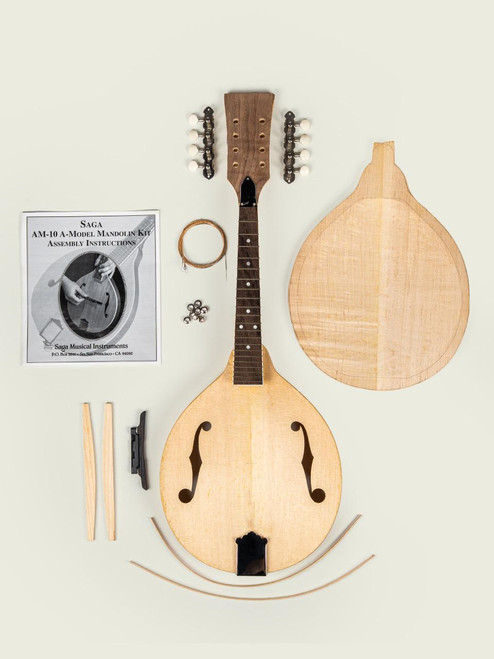
1. The McNeela A-Style Mandolin: A Folk Favorite
This is widely considered the best mandolin for beginners who love the warm, open resonance of traditional music. Its teardrop shape is a classic of the Irish mandolin tradition, offering a sweet, mellow tone that sits perfectly in a circle of friends.
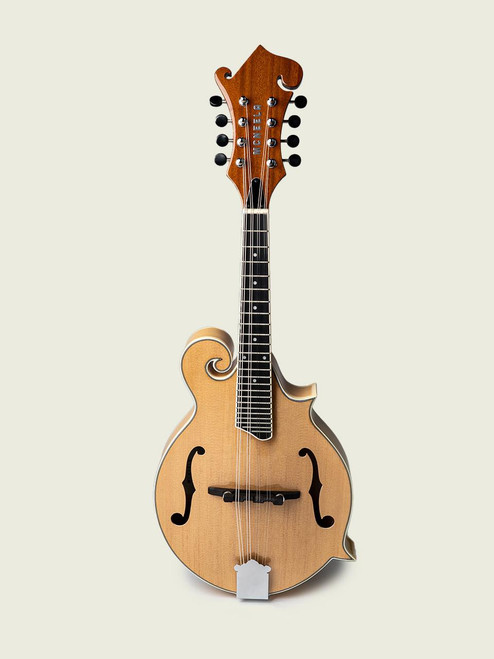
2. The McNeela F-Style Mandolin: Classic Craftsmanship
If you’re looking for an instrument with a bit of "bark" and a lot of personality, our F-style models feature the beautiful scrolls and points that have defined folk music for a century. It’s a good beginner mandolin for those who want a percussive, punchy sound that stands out.
3. All-In-One Beginner Starter Packs
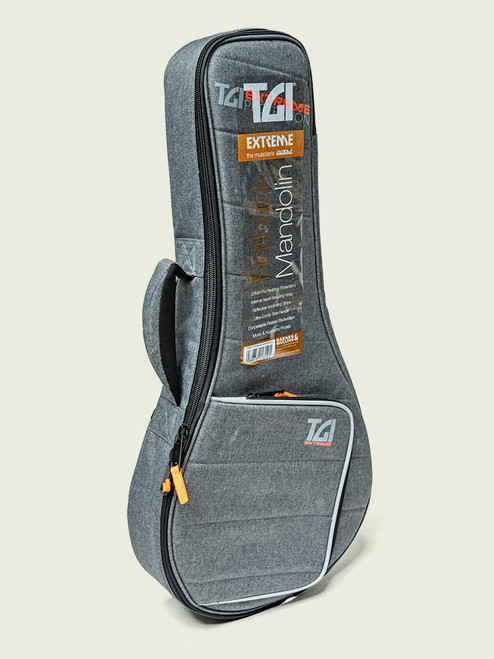
We want to make your start as seamless as possible. Our best starter mandolin bundles take the guesswork out of gear. You’ll receive your instrument, a padded bag for protection, a tuner, and picks—everything you need to strike your first chord the moment the box arrives.
A Simple Guide: What Actually Matters
When you’re looking at mandolins for beginners, it’s easy to get lost in the technical jargon. Here is our honest advice:
-
Feel over Frills: A fancy finish is nice, but "action" (the height of the strings) is what determines if you'll keep playing. Always choose a good beginner mandolin that has been properly set up.
-
The Soul of the Wood: We prioritize solid spruce tops in our starter mandolins. Unlike laminate, solid wood "breathes" and actually sounds better the more you play it. It grows with you.
Taking Your First Steps: Mandolin Basics
Learning how to play the mandolin should be a fun exploration, not a chore. Here are a few mandolin basics to get you started:
-
Standard Tuning: Your strings are G-D-A-E. If you’ve ever played a violin or fiddle, you already know the map!
-
Hold it Lightly: One of the most common mistakes is gripping the neck too hard. Keep your hand relaxed, and let the pick do the work.
-
The Magic Chords: You can play hundreds of songs with just three chords. Once you learn G, C, and D, you’re ready for your first session.
Everything You Need in One Place
To truly master how to play the mandolin, a few small tools make a world of difference:
-
Electronic Tuner: Mandolins have eight strings, and keeping them in pairs is key to that beautiful "chorus" effect.
-
The Right Pick: We love a slightly thicker pick (1.0mm) to get a rich, full-bodied tone.
-
Comfortable Bag: So you can take your music wherever life leads you.
Frequently Asked Questions
Yes, the mandolin is considered one of the more beginner-friendly string instruments. Its small size, simple chord shapes, and clear tuning make it easier to start playing basic songs fairly quickly, even with no prior musical experience.
A-style mandolins are often recommended for beginners. They are comfortable to hold, more straightforward in design, and generally easier to get started with compared to more complex styles.
It depends on how often you practice, but many beginners can play simple songs within a few weeks. With regular practice, you’ll notice steady improvement in chords, timing, and picking within a few months.
No, you don’t need to read traditional sheet music. Many beginners use tablature (tab), which is much easier to understand and shows you exactly where to place your fingers on the fretboard.
Start with the basics: tuning your instrument, learning a few simple chords, and practicing basic strumming patterns. Once you’re comfortable, you can move on to easy songs and simple melodies.
Loading...
!
